Enameled vs Cast Iron Dutch Oven for Braising and Sauces
Staff Writer
Buy enameled if you braise with tomato, wine or vinegar more than once in a while. Buy bare cast iron only if you want a pot that goes on a campfire or into very high heat, and your braises are mostly stock and water. The difference comes down to whether iron touches your food. For a three-hour short rib braise in red wine, that matters more than anything else on the box.
This piece assumes you've already settled on a size, because size decides more about weeknight dinners than finish does. What's left is the surface. One more thing before the table: none of the published reviews behind this piece tested these three particular pots. America's Test Kitchen, Food Network and the rest tested enameled and bare cast iron as materials, or tested other brands. So the figures below describe the finish, with the source named, and the product sections say plainly where a maker's number isn't in the published record.
| Bare cast iron (Lodge 5 Quart Pre-Seasoned) | Enameled cast iron (Lodge 6 Quart, Tramontina 6.5 Qt) | |
|---|---|---|
| Cooking surface, America's Test Kitchen | Uncoated iron with a baked-on oil seasoning | Glass-like coating fired onto the iron, like a pottery glaze |
| Heat tolerance, Made In | Up to 900°F, suited to open flame | Oven-safe to 580°F |
| Seasoning and oiling, Made In | Arrives pre-seasoned; needs hand-washing, drying and occasional oiling | None, ever |
| Rust risk, Made In | Rusts if left wet | None; enamel forms a complete barrier |
| Sticking, Food Network testing | No nonstick surface; harder to clean | "Perfectly nonstick"; all tested models cleaned up readily by hand |
| Long acidic simmer, Made In and Tom's Guide | Gradually strips seasoning; hours of tomato sauce gives an iron flavor | Enamel keeps iron from reacting with the food |
| How it gets damaged, America's Test Kitchen | Seasoning wears and needs rebuilding | Enamel chips or cracks if struck sharply by something harder |
| Bread crust, America's Test Kitchen | Produced notably crustier loaves | Crusty, well-browned loaves |
Bare cast iron's strengths are real and they're about heat. Made In puts its tolerance at 900°F, against 580°F for enameled, which is why the bare pot is the one people take camping and set in coals. America's Test Kitchen found uncoated pots turned out "exceptionally crusty" bread and built good fond for pan sauces. You can also get it screaming hot for a sear without worrying about the surface.
Where it falls short is the long, wet, acidic cook that a Dutch oven exists for. In an America's Test Kitchen lab test, tomato sauce simmered in unseasoned cast iron measured 108 mg/kg of iron and tasted strongly of it. Seasoned iron released nearly ten times less and tasted fine, which is the good news for a pre-seasoned pot. Then there's the upkeep: hand-wash, dry thoroughly, oil now and then, and never store a braise in it.
The Lodge's price and its own heat rating aren't in the reviews this piece draws on, so check Lodge's product page before you buy. Buy this one if you cook outdoors, bake bread often, and braise mostly in stock.
Enamel does the Tuesday-night braise without asking anything of you. It needs no seasoning, won't rust, and in Food Network's pot roast and onion testing the enameled surface was "perfectly nonstick." Made In recommends it by name for beef bourguignon, tomato braises and chili. A Staub chef put the mechanism plainly to Tom's Guide: "The enamel protects the iron from reacting with the food."
The costs are a lower ceiling and a surface you have to be careful with. America's Test Kitchen's care guide says never heat an enameled pot empty, avoid sudden temperature swings when it's wet, and don't bang metal spoons on the rim. That changes how you sear: get the oil in before the pot sits on a high burner. The lid knob is often the lowest heat limit on an enameled pot. Lodge's knob and oven ratings for this model aren't in the published sources here, and neither is a dated price, so read the spec sheet before a hot bread bake. Buy this one if tomato, wine or vinegar shows up in your braises most weeks.
Everything said about enamel above applies here. It takes acid, needs no seasoning, and chips if you're rough with it. The Tramontina adds half a quart over the Lodge, which matters if you often braise for leftovers.
What's missing is a head-to-head. None of the reviews this piece draws on tested this pot, and none published its knob limit, weight or a dated price. The nearest evidence is indirect but useful. America's Test Kitchen's Best Buy, a Cuisinart, performed nearly as well as a $500 Le Creuset for about a quarter of the price. It weighed more (16.7 lbs against 13.7 at the 7-quart size) and held up less well over time. The Culinary Gene, a smaller buying guide, argues that braising performance comes from the iron core, not the price tag. Buy this one over the Lodge enameled if you want the extra capacity, but check the maker's knob rating first.
Hours of acid. The best case for bare iron comes from America's Test Kitchen's own lab: seasoned cast iron released about a tenth of the iron and gave no off-flavor. That's a fair point, and a pre-seasoned Lodge starts out seasoned. But the seasoning is exactly what a long acidic braise wears down. Hank Shaw, the James Beard Award-winning chef, said yes to tomato sauce in cast iron "with a few caveats." His main one: "You don't want to simmer say, a tomato sauce, in cast iron for hours." A chicken thigh braise with a splash of wine for 45 minutes is one thing. A weekly short rib in red wine is the case Shaw is warning about.
Heat, and how you sear. Bare iron tolerates far more heat, 900°F against 580°F by Made In's figures, and doesn't mind being preheated dry. Enamel wants fat in the pot first and saves high heat for liquid-based cooking, per America's Test Kitchen. You can sear hard in either. With enamel, you just have to change the order.
How each one fails. Bare iron fails slowly and can be fixed: re-season it. Enamel fails suddenly: a chip from a metal spoon or a dropped lid. Kaizen Cookware notes that chipped enamel exposes reactive iron underneath. America's Test Kitchen says the iron beneath stays safe to cook with. A chip is a cosmetic and acid problem, not a reason to bin the pot.
Pan sauces sit between the two. Forum cooks report deglazing well-seasoned bare iron with red wine without trouble. They advise against it on new or thinly seasoned pans, and say to scrub the pot afterward. In enamel, America's Test Kitchen's cleanup is to boil water in the pot for 2 to 3 minutes, scrape with a wooden spatula, then wash.
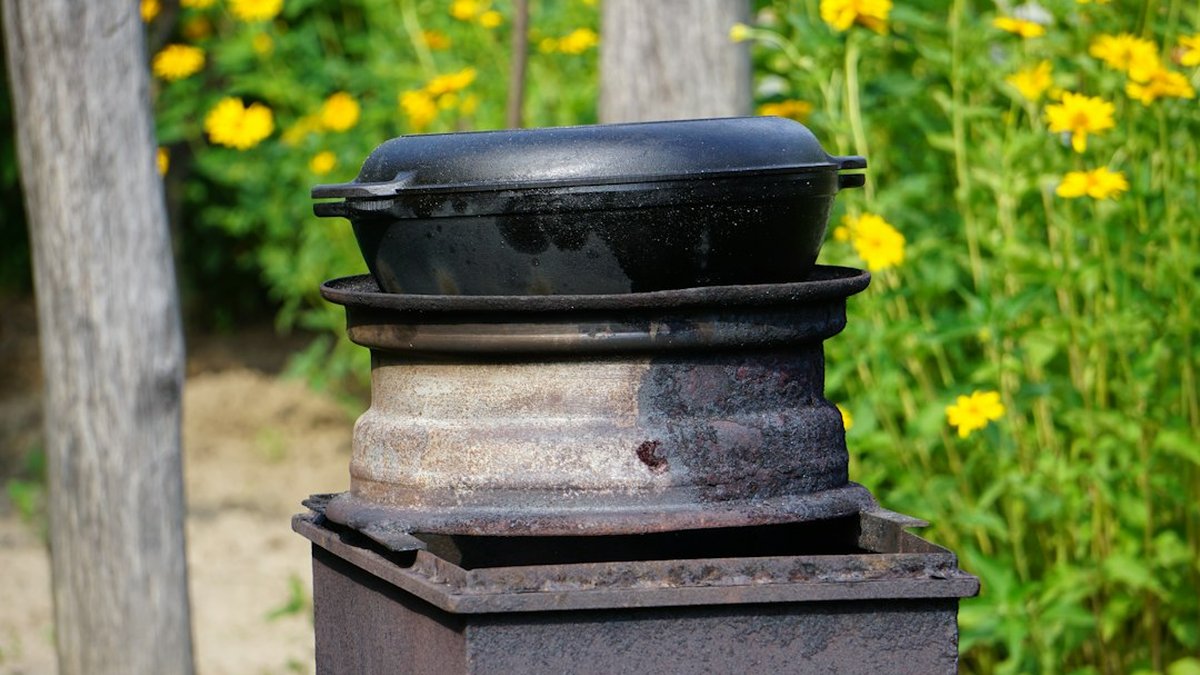
If you cook dinner indoors most nights and your braises use tomato, wine or vinegar, buy an enameled pot. Choose the Lodge 6 Quart for the everyday size, or the Tramontina 6.5 Qt if you want the extra half quart. There's no published test that separates the two, so decide on capacity and the price on the day.
Buy the Lodge 5 Quart Pre-Seasoned only if you'll use it over a fire or for bread, or if your braises lean on stock and water. If a cast iron skillet already covers your hard searing, the bare Dutch oven has less to offer you.
Whichever you choose, look up the maker's knob and oven rating before the first hot bake. The reviews haven't published those figures for these three pots.
One email a week with what we published. No spam, nothing sold, unsubscribe in one click.
Comments
No comments yet. Be the first to comment!
Leave a Comment