Introduction
What if your busiest weeknights could still end with a delicious, home-cooked meal—without the frantic scramble? With the right meal prep strategies, you can transform Sunday afternoon into your secret weapon for eating well all week long.
In this guide, you'll learn how to prep like a pro in just 2-3 hours, creating flavorful components that mix and match into exciting meals. No more sad desk lunches or expensive takeout runs. Let's turn meal prep from a chore into your favorite culinary ritual.
Prerequisites
Before diving into your prep session, gather these essentials to set yourself up for success.
-
Invest in glass containers with airtight lids in various sizes. They're microwave-safe, won't stain, and keep food fresher longer.
-
A chef's knife and paring knife will handle 90% of your prep work. Multiple cutting boards prevent cross-contamination.
-
At least two rimmed sheet pans for batch roasting and a set of nesting bowls for organizing ingredients.
-
Plan 4-5 dinners and your lunches before shopping. The [USDA's MyPlate Kitchen](https://www.myplate.gov/myplate-kitchen) offers free meal planning resources.
-
Group items by produce, proteins, dairy, and pantry to speed through shopping.
Step-by-Step Instructions
Follow this streamlined process to maximize efficiency and flavor in your meal prep session.
-
Get your rice, quinoa, or dried beans cooking immediately—they require the least attention but take the longest. Cook double batches and freeze half for future weeks.
-
Wash, chop, and organize all your produce in one focused session. Store heartier vegetables (carrots, peppers, onions) pre-cut, but save delicate greens for day-of preparation.
-
Roast chicken thighs with Mediterranean spices on one sheet pan, and season another batch with Asian-inspired flavors. Same protein, completely different meals.
-
Whip up 2-3 sauces that transform simple ingredients—a tangy vinaigrette, a creamy tahini dressing, and a quick stir-fry sauce give you endless variety.
-
Toss broccoli, sweet potatoes, and Brussels sprouts with olive oil and salt. Roast at 425°F until caramelized. According to [Serious Eats](https://www.seriouseats.com), high heat and proper spacing are key to avoiding soggy vegetables.
-
Divide components into grab-and-go containers. Label with contents and date—your future self will thank you.
-
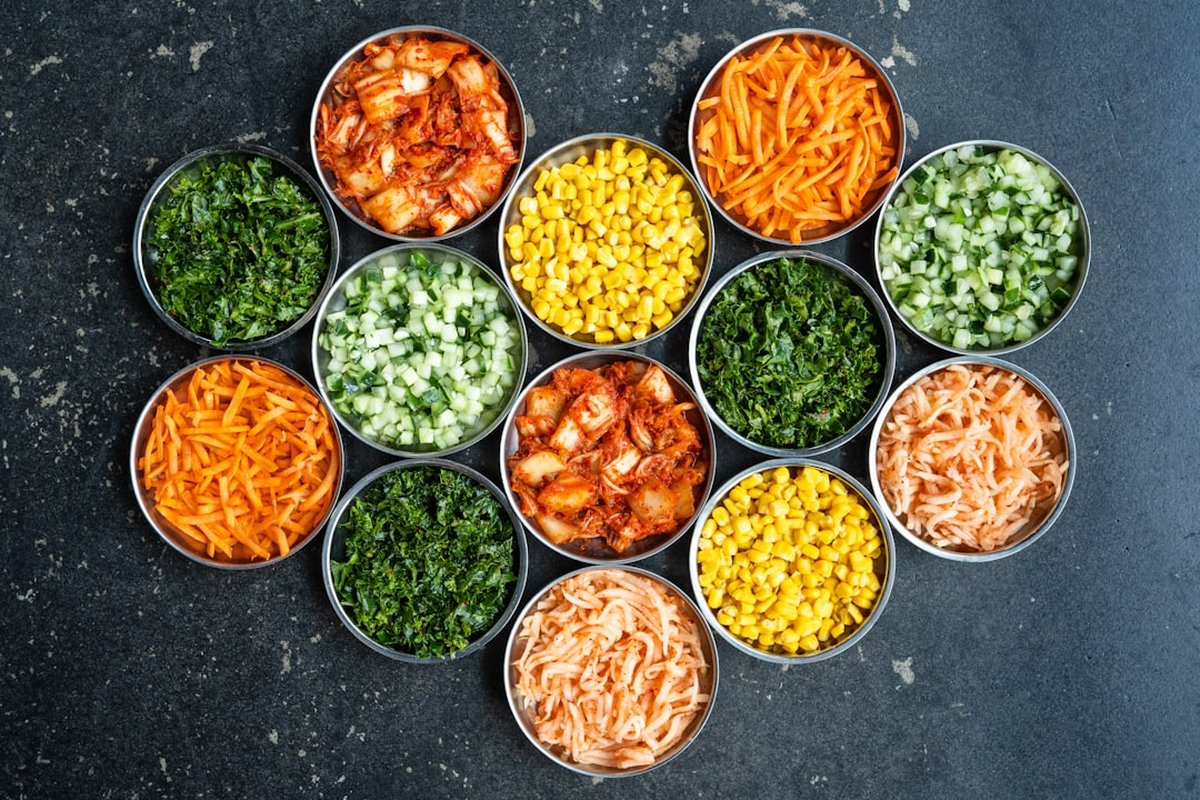
Store proteins, grains, vegetables, and sauces in individual containers. This 'component cooking' approach lets you build different meals daily without repetition fatigue.
The secret to meal prep that doesn't bore you by Wednesday? Never assemble full meals in advance. Keep your components separate and you're essentially running a personal restaurant all week.
Troubleshooting
Even seasoned meal preppers hit snags. Here's how to solve the most common issues.
Conclusion
Meal prep isn't about eating identical sad containers all week—it's about setting yourself up for delicious, stress-free cooking every single day. By prepping smart components rather than complete meals, you maintain the flexibility and excitement that food lovers crave.
Start small this weekend: pick one protein, one grain, two vegetables, and one sauce. Prep those components and experiment with different combinations throughout the week. Once you experience the freedom of opening your fridge to endless possibilities instead of the dreaded 'what's for dinner?' panic, you'll never look back.
Ready to level up further? Explore our weeknight dinner recipes designed specifically for your prepped ingredients, or check out local cooking classes at your neighborhood kitchen stores for hands-on technique building.
Comments
No comments yet. Be the first to comment!
Leave a Comment